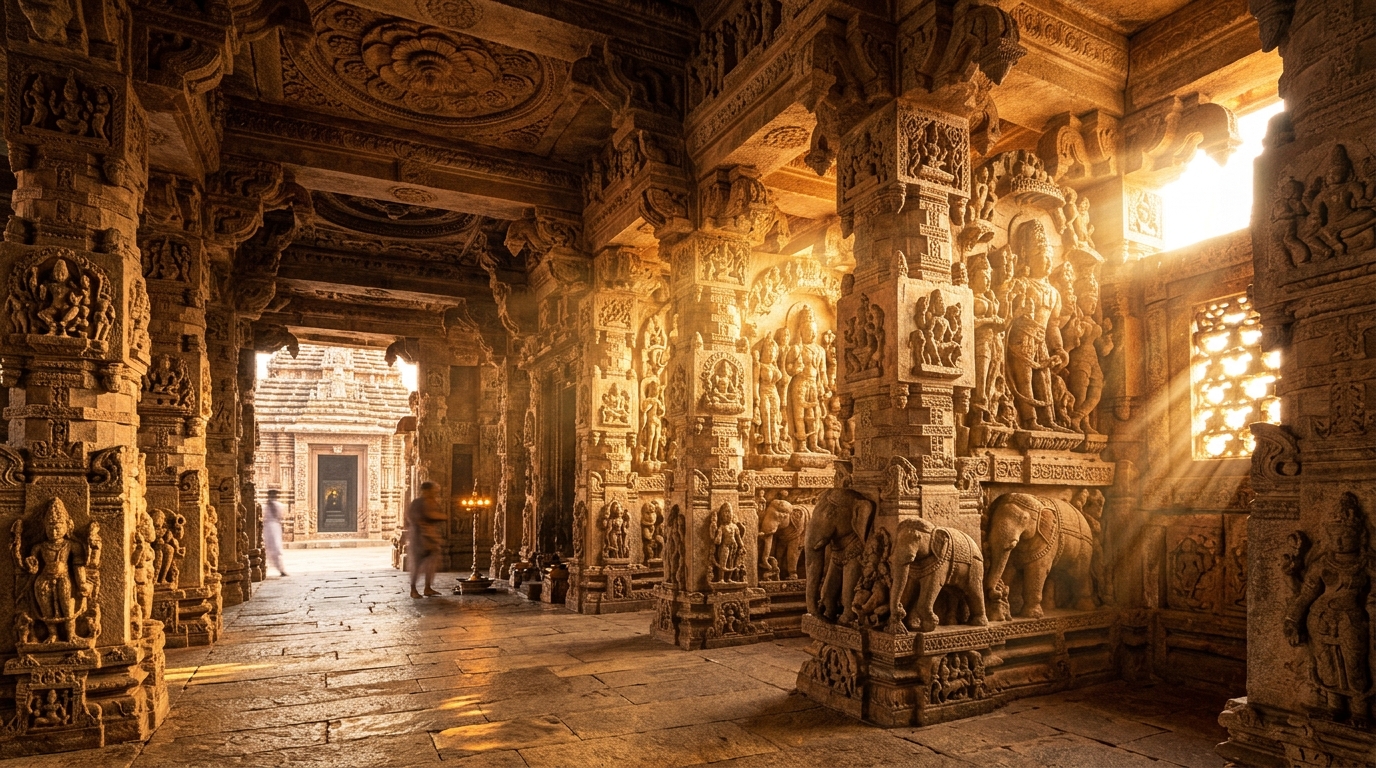
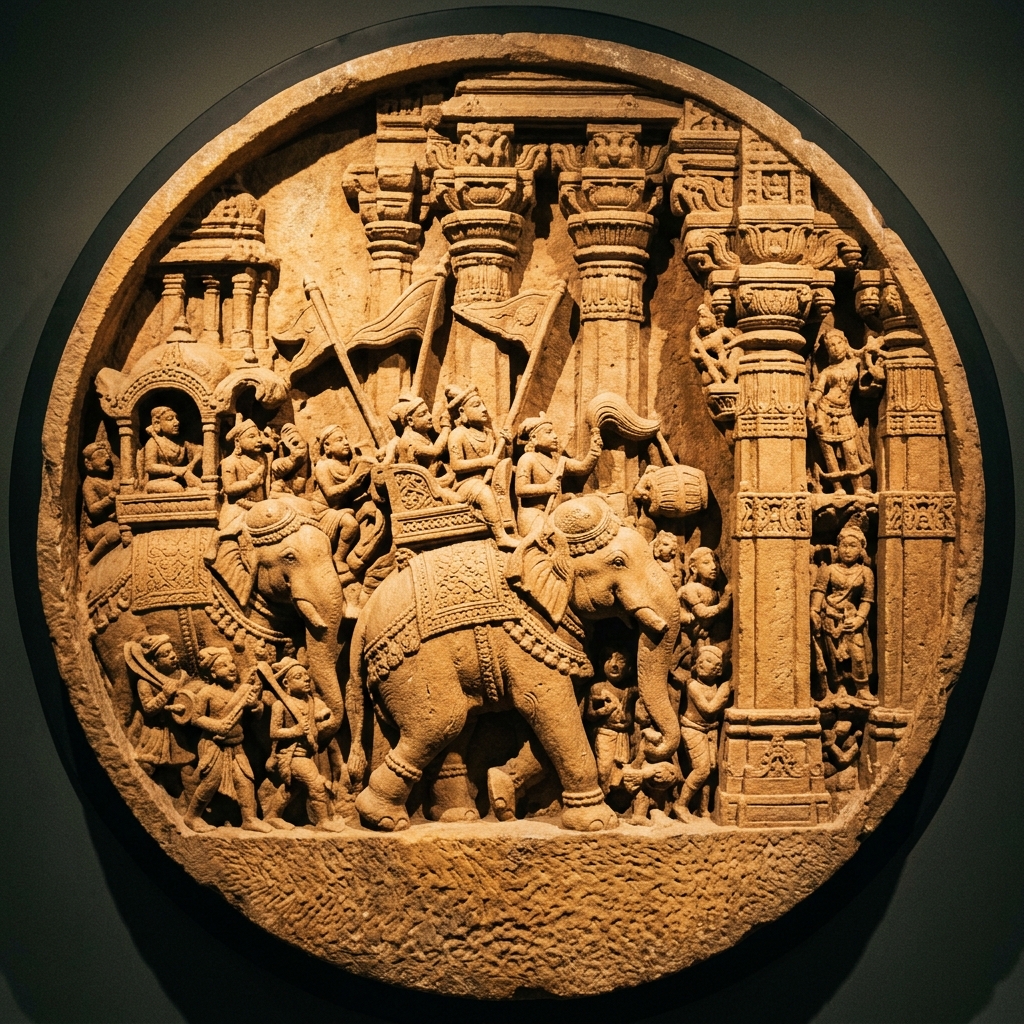
Odisha is universally celebrated as the land of magnificent temples, earning Bhubaneswar the glorious title of the "Temple City of India". Between the 7th and 13th centuries, classical Kalinga architecture reached the zenith of aesthetic perfection and engineering genius through masterworks like Mukteswar, Rajarani, and Lingaraj.
Every single stone chiseled by our hereditary artisans at Orient Crafts Museum adheres strictly to foundational Sanskrit canons of sculpture. The Shilpa Prakasha, an ancient palm-leaf manual authored by Ramachandra Bhattaraka, details the strict geometrical diagrams (Yantras) and structural proportions required for both exterior sculptures and sacred inner sanctums (Garbhagriha).
Sculpting a divine deity is not arbitrary freehand art; it is a sacred mathematical science known as Talamana. The height of the face serves as the fundamental unit of measure (Tala). Deities such as Lord Shiva or Vishnu are carved strictly in Dasha Tala (10 units), while celestial damsels (Nayikas) and attendants are sculpted in Ashta Tala (8 units) to maintain harmonic spiritual balance.
Ancient Odishan silpins selected Lalita Khondalite and fine pink sandstone due to their unique mineral composition. When freshly quarried, the stone is soft enough to yield to micro-chisels for ornamental lace-like details. Upon prolonged exposure to air, the minerals oxidize and harden into an immortal granite-like structure that braves torrential coastal monsoons for millennia.
"In Kalinga architecture, the stone does not merely shelter the divine; the stone itself becomes the living prayer of the sculptor."
Today, Orient Crafts Museum continues this monumental tradition. When restoring damaged temple mandaps across Odisha, our team reconstructs weathered pillars and lintels using the exact traditional chisels, herbal polishing agents, and stone alignments established over a thousand years ago.
Leading archival documentation and preservation of Kalinga architecture at Orient Crafts Museum, Bhubaneswar.
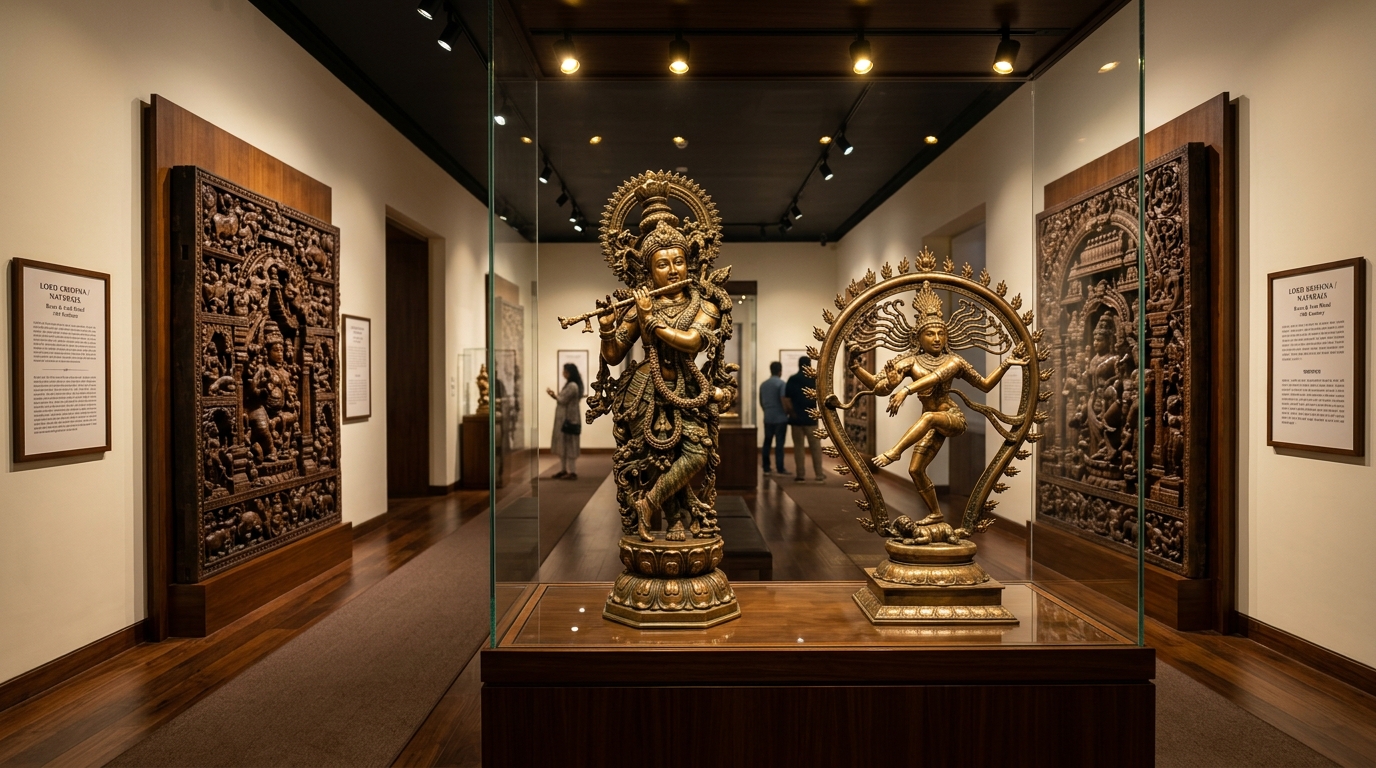
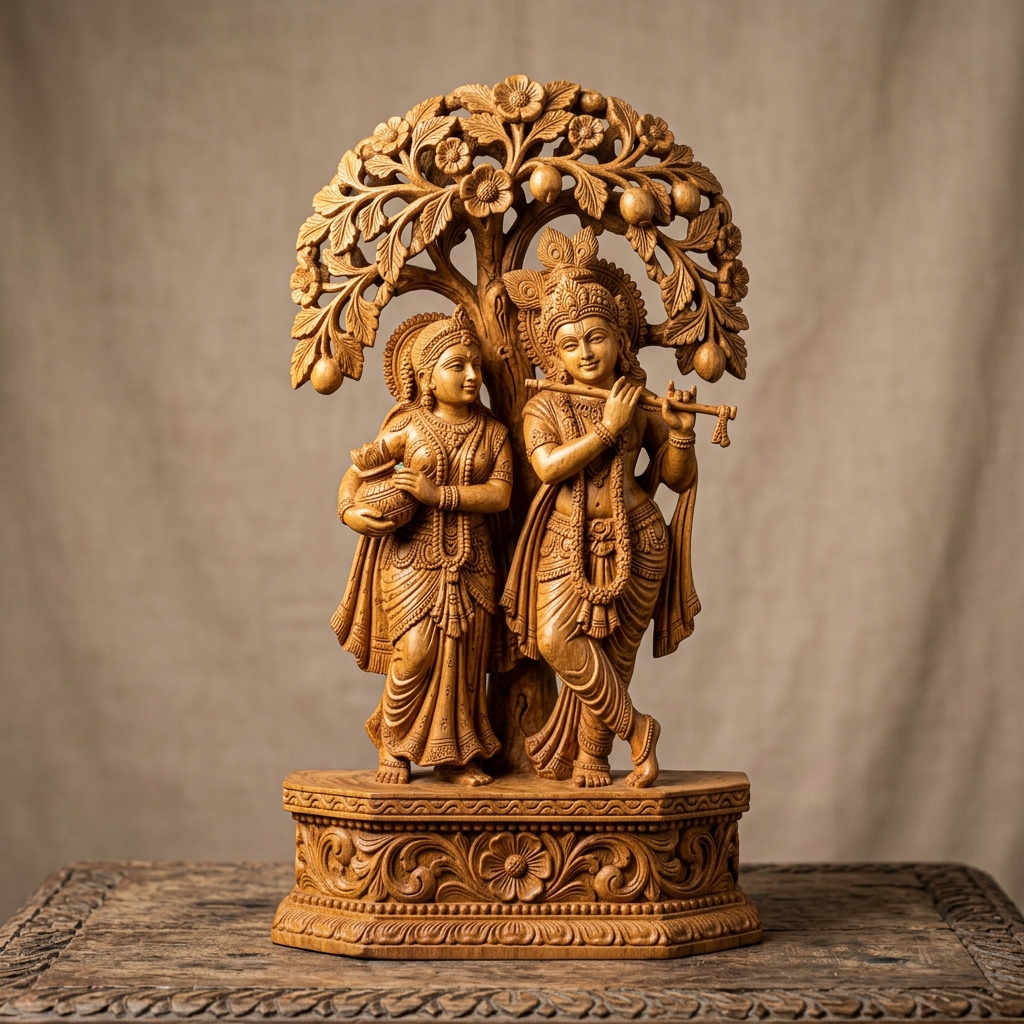
Commission custom sandstone sculptures, brass idols, or teakwood mandirs with direct sculptor consultation.
Call +91 8093417969